I have lived in Ireland since 2010. It all started with a Dubliners concert in Germany; that single performance ignited a passion for Ireland and its complex history. Over the years, Irish authors have filled my library. I must admit, however, that while I was captivated by Dubliners, I never managed to finish James Joyce’s Ulysses—even the original edition I bought years ago in a Cork bookshop. While I don’t quite subscribe to the global hype surrounding that particular book, I certainly respect the Irish ability to turn it into a cultural asset that benefits the national coffers.
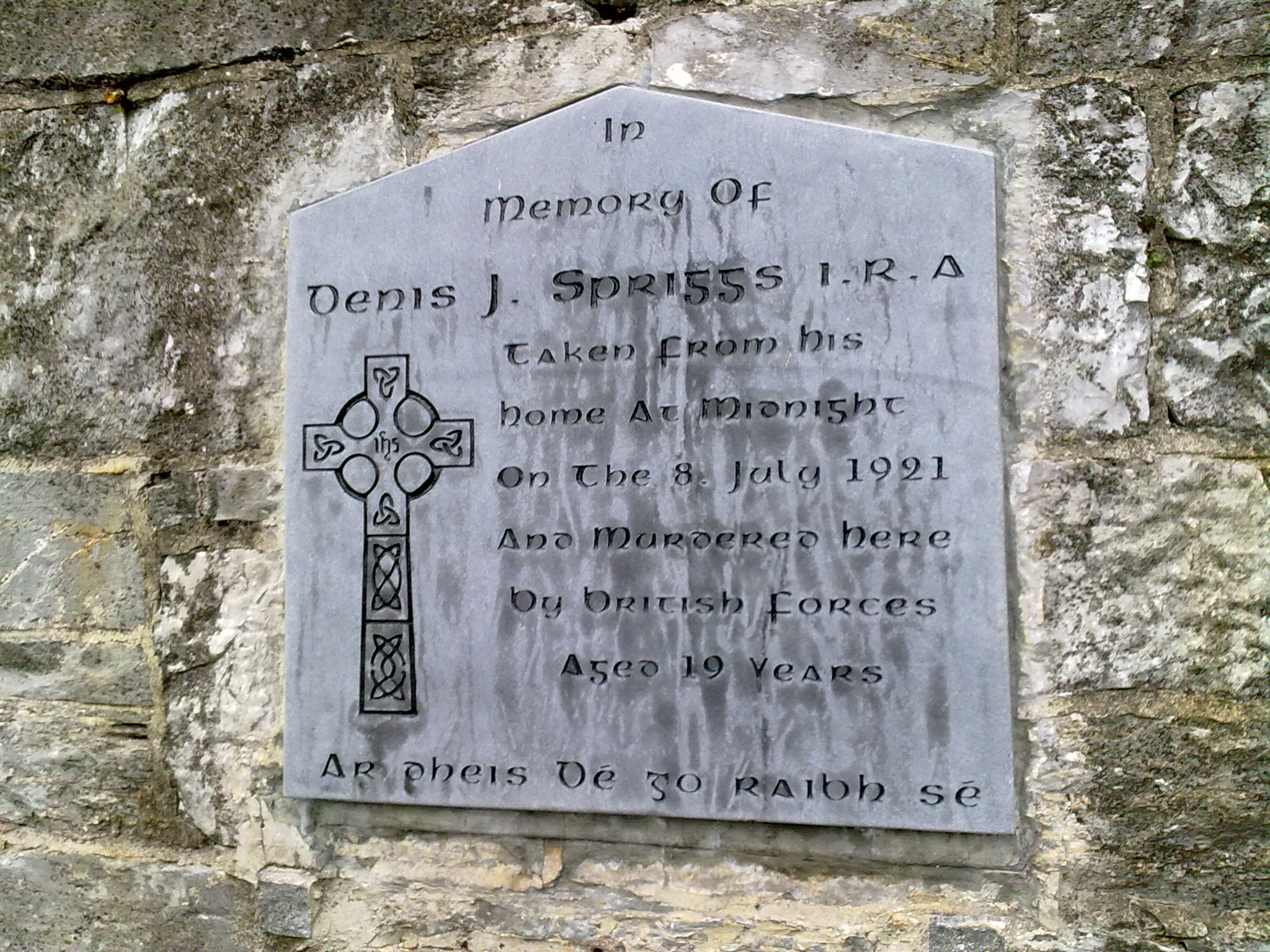
When I first arrived, I spent every spare moment exploring Cork. Working at Apple at the time, I often walked home along Blarney Street, passing the memorial to Denis J. Spriggs, an IRA volunteer who was mortally wounded by British soldiers in 1921 at just 19 years old. To understand the soil I was standing on, I immersed myself in the history of the War of Independence and the Civil War, even seeking out the bullet holes still visible in Cork’s historic walls.
Now, after nearly 20 years in this country, my perspective has shifted. Moving to County Mayo taught me a hard lesson: in the eyes of the Dublin political establishment, Ireland seems to consist only of Dublin, Cork, Limerick, and perhaps Galway. The rest of us feel invisible. It is as if the country is divided into the “First-Class Irish” in the cities and the “Second-Class Irish” in the counties. Our struggles only seem to reach the national consciousness as a brief report on RTÉ or a footnote in the Irish Times.
Politicians occasionally shed crocodile tears for the rural population, but their focus quickly shifts back to global issues. It seems there is more political energy for international crises than for the man in Mayo who dies waiting for an ambulance that never comes. We are told it is “fate,” but it feels like a choice.
I ended up in a situation where the official fare back to Baurhauve would have been around €350—far exceeding my entire weekly Disability Allowance. I was only able to get home because of the kindness of a taxi driver who accepted what I had, but it is a disgrace that a vulnerable patient’s safety should depend on the charity of a stranger rather than the responsibility of the state.
Our country doesn’t necessarily need more of the same political parties; the people in the counties need a platform that represents their actual interests. We need people who don’t just look at statistics but who walk the streets of Mayo and listen to the residents. We need to revitalise our counties so that our educated youth don’t feel forced to emigrate and our elderly don’t have to fear the night.
If there were a party based entirely on the needs of the counties, its “Basic Law of Action & Sovereignty” would look like this:
I. Existential Security: The Basic Income To remove the weapon of fear, every citizen should receive an unconditional €1,200 per month. This isn’t just about money; it’s about dignity. A person who is financially secure cannot be blackmailed by the state or the circumstances. We could fund this by taxing the very algorithms that often displace human labor—a 1% transaction tax on automated financial trading.
II. Radical Transparency: The Live Dashboard Every public project—from a new clinic to a wind turbine—must be tracked live on a digital dashboard. If a project is delayed, the dashboard should state exactly who is responsible and why. We need results, not bureaucratic excuses.
III. DIY Sovereignty & Decentralization We should promote decentralized energy, water, and housing solutions. If a derelict building can be turned into a workshop or a power plant using safe, open-source technology, the law should support this rather than blocking it with red tape.
IV. The 100-Day Pledge Public service should be about results, not careerism. Any representative of this movement would pledge to show measurable progress within 100 days. If the “dashboard” doesn’t turn green, we step down. We shouldn’t stick to chairs; we should stick to promises.
Ireland is more than its capital. It is time for a “transparent politics” that serves the people in every empty town centre and every coastal village. When citizens feel they are a valued part of society, they are more than happy to participate in it. We don’t need a state that treats us like a report; we need a state that treats us like neighbors.
 Geschichte und Geschichten aus Mayo